Published : 2026-10-06
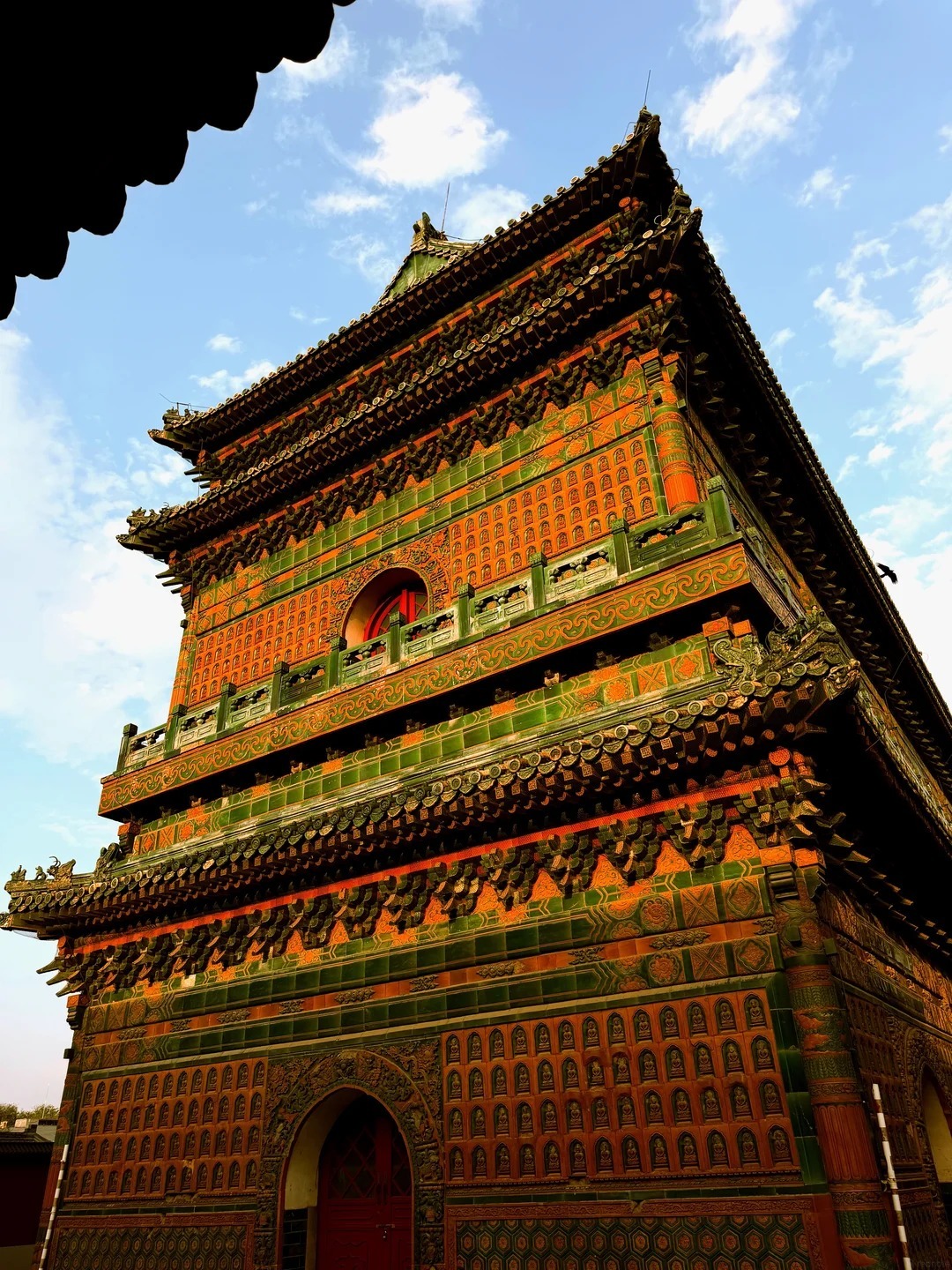
Beijing's nearly 300-year-old Liulige Courtyard in Beihai Park has opened to the public after more than 70 years. At its heart, Liuli Ge is adorned with 1,424 vividly glazed Buddha figures, offering a close look at Qing imperial craftsmanship.
Used by cultural-heritage and archaeological institutions since 1955, the courtyard now reveals its own archaeological legacy and the distinctive artistry of an imperial Buddhist complex. Step inside to discover the beauty of its glazed decoration.
Liulige Courtyard: Three Imperial Treasures
On Beihai Park's north bank, Liulige Courtyard was built during the Qianlong reign as the third courtyard of the Xitian Fanjing complex.
Its three buildings—Huayan Qingjie Hall, the Seven-Buddha Pagoda Pavilion and Liulige—stand in sequence along a south–north central axis. The hall's solemnity, the pavilion's delicate form and Liulige's vivid glazed decoration together exemplify mid-Qing imperial Buddhist architecture.
Entering Liulige Courtyard, visitors first encounter Huayan Qingjie Hall, crowned by a double-eaved hip roof.
Beyond it stands the Seven-Buddha Pagoda Pavilion, with an octagonal stone pagoda carved with the Seven Buddhas and a Qianlong inscription—testimony to imperial Buddhist culture and its multi-ethnic heritage.
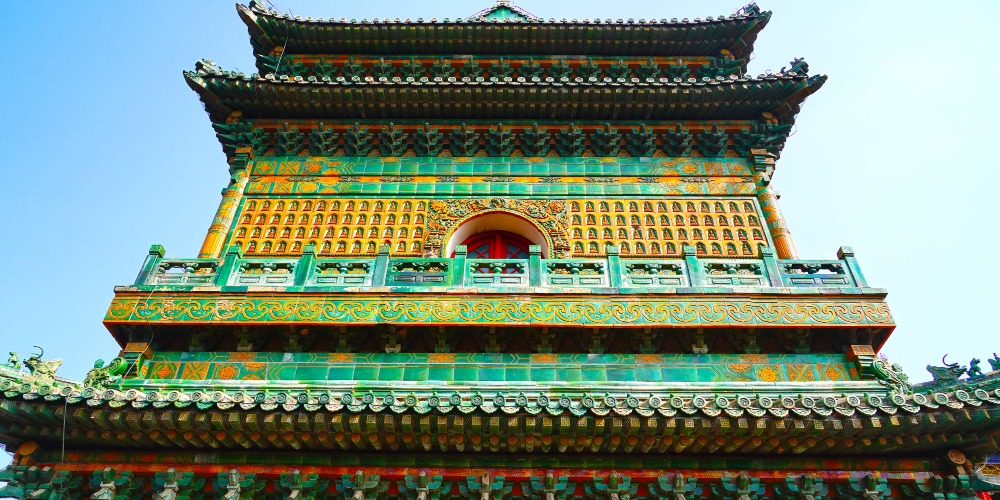
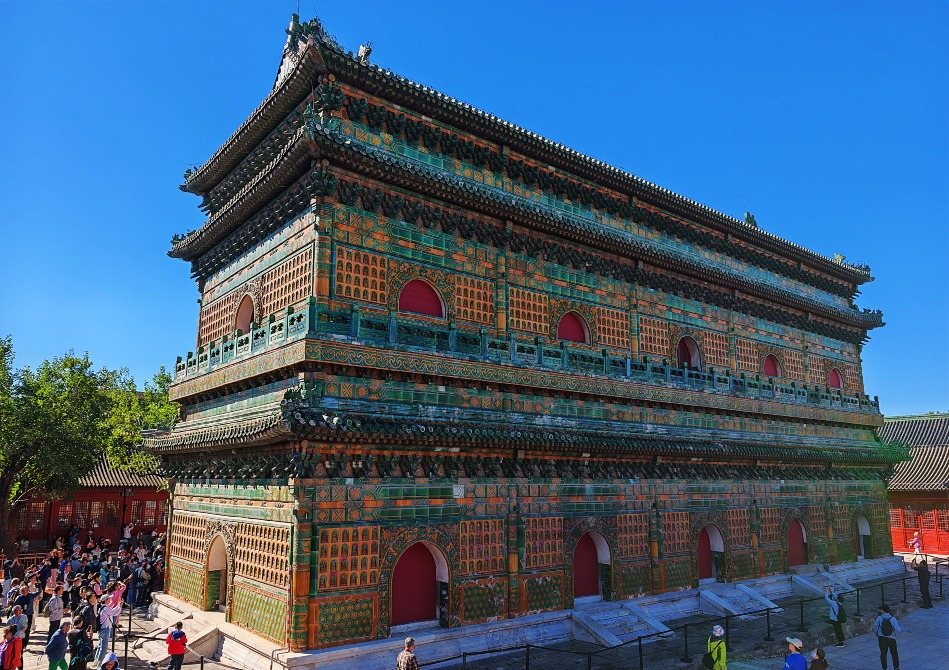
At the far end of the courtyard, Liulige is its most ornate building.
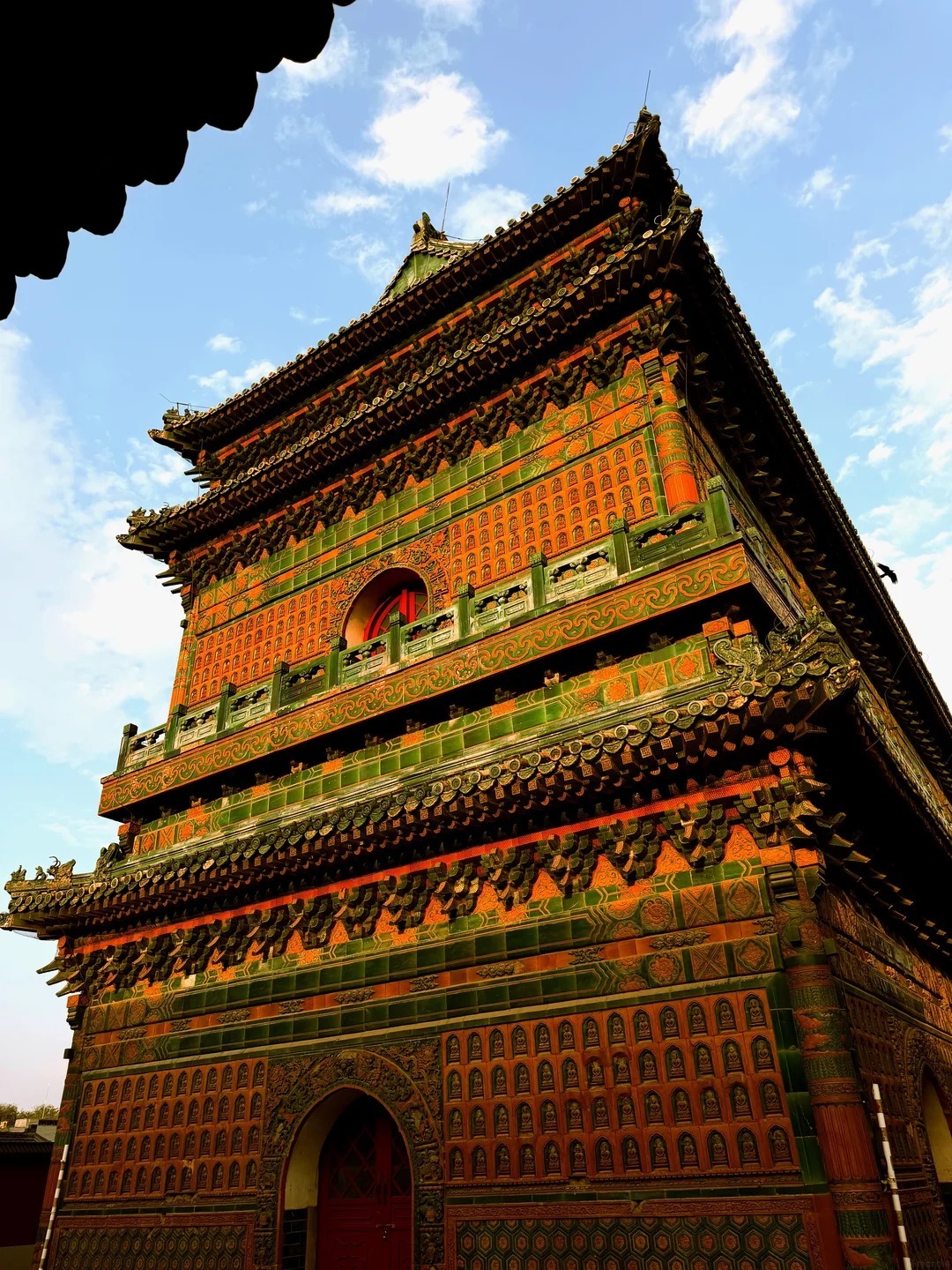
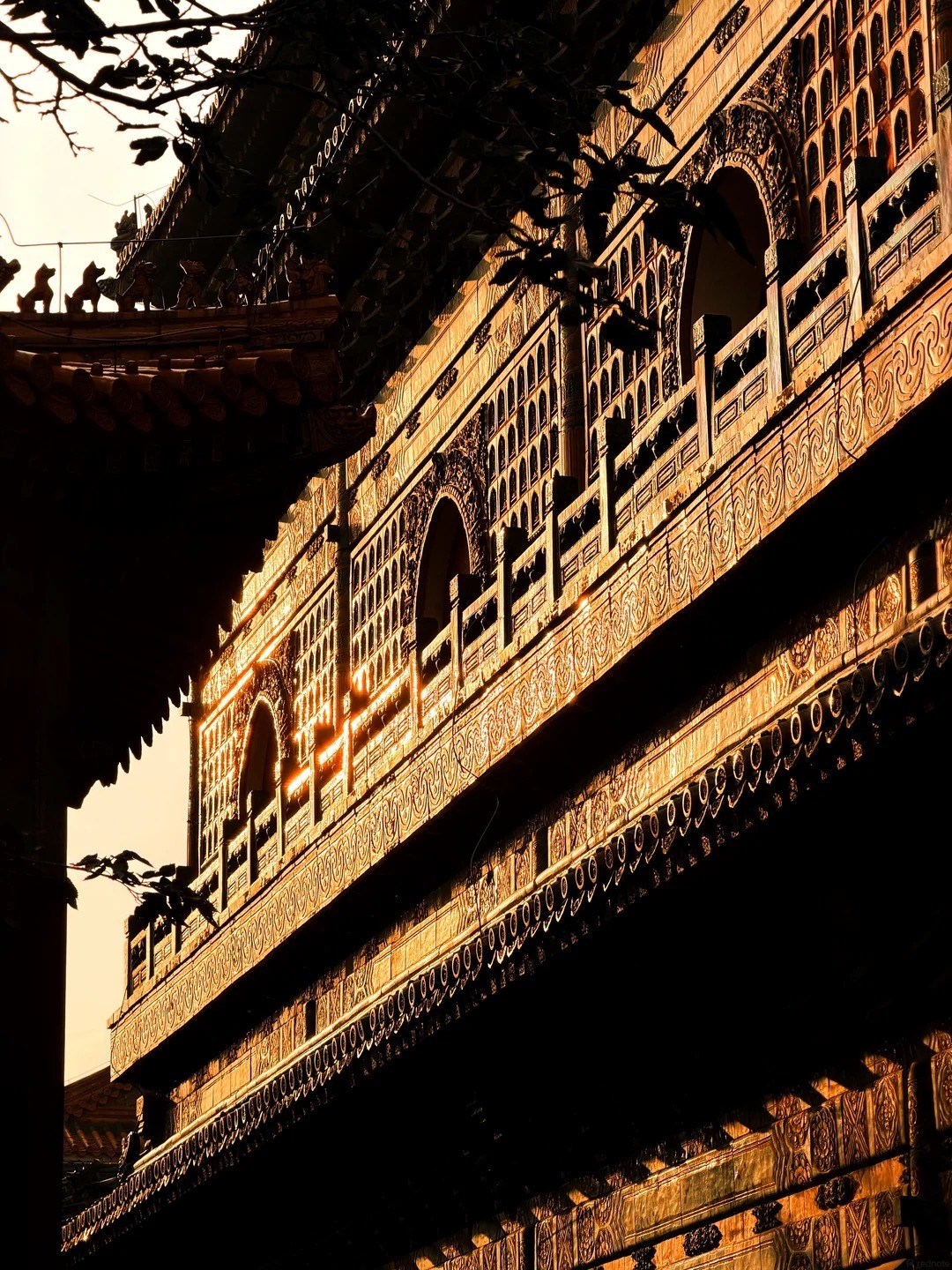
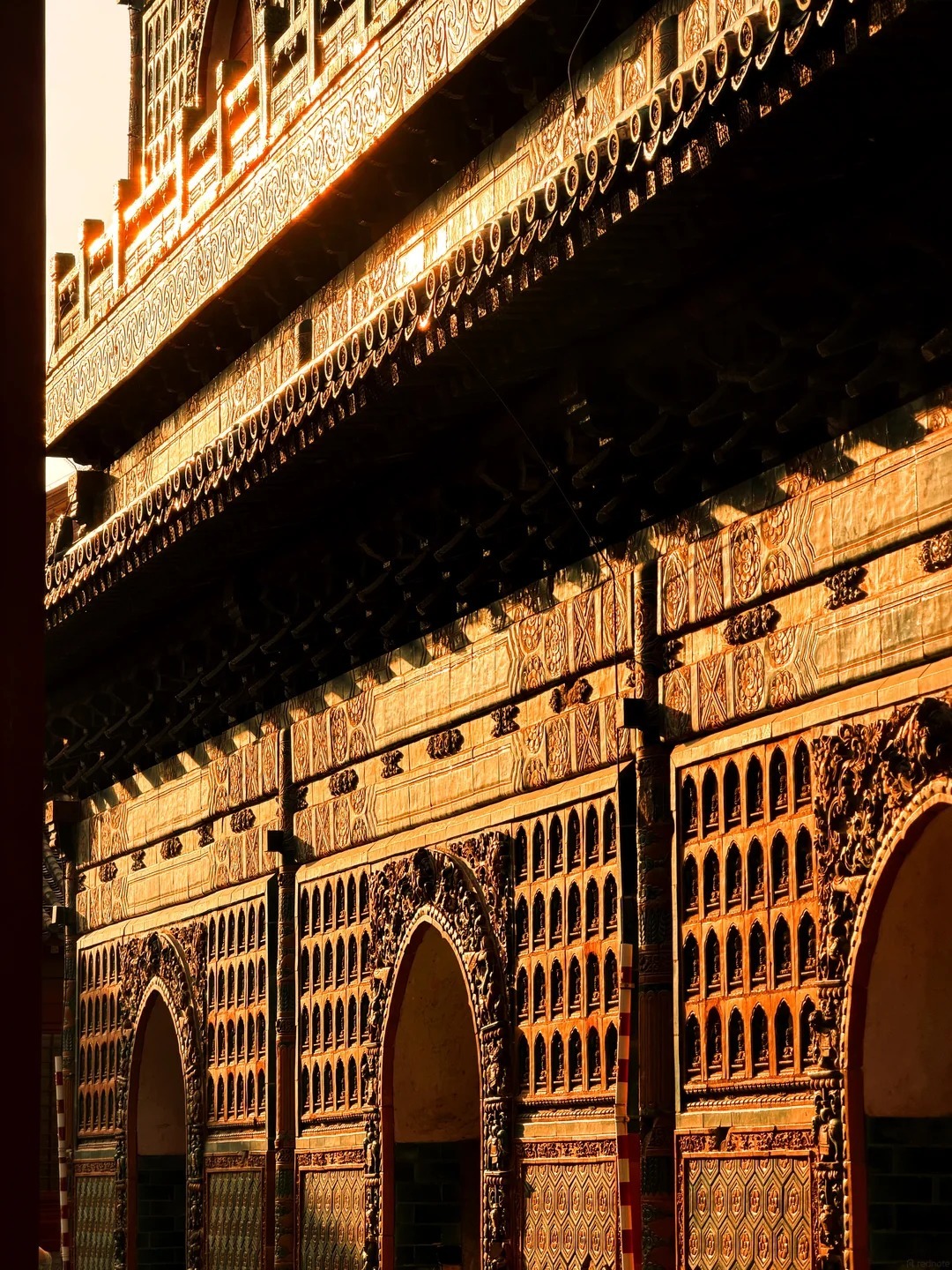
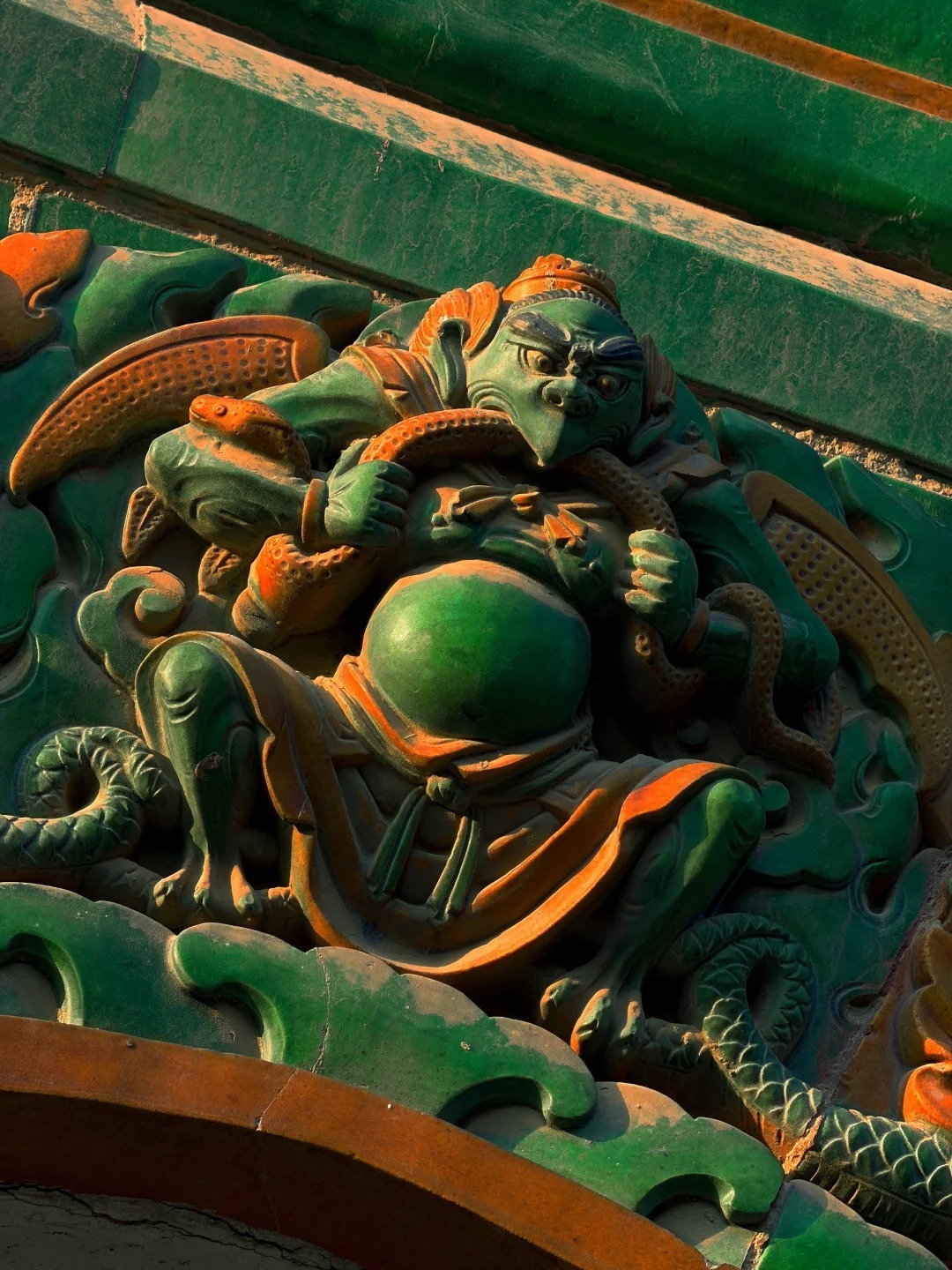
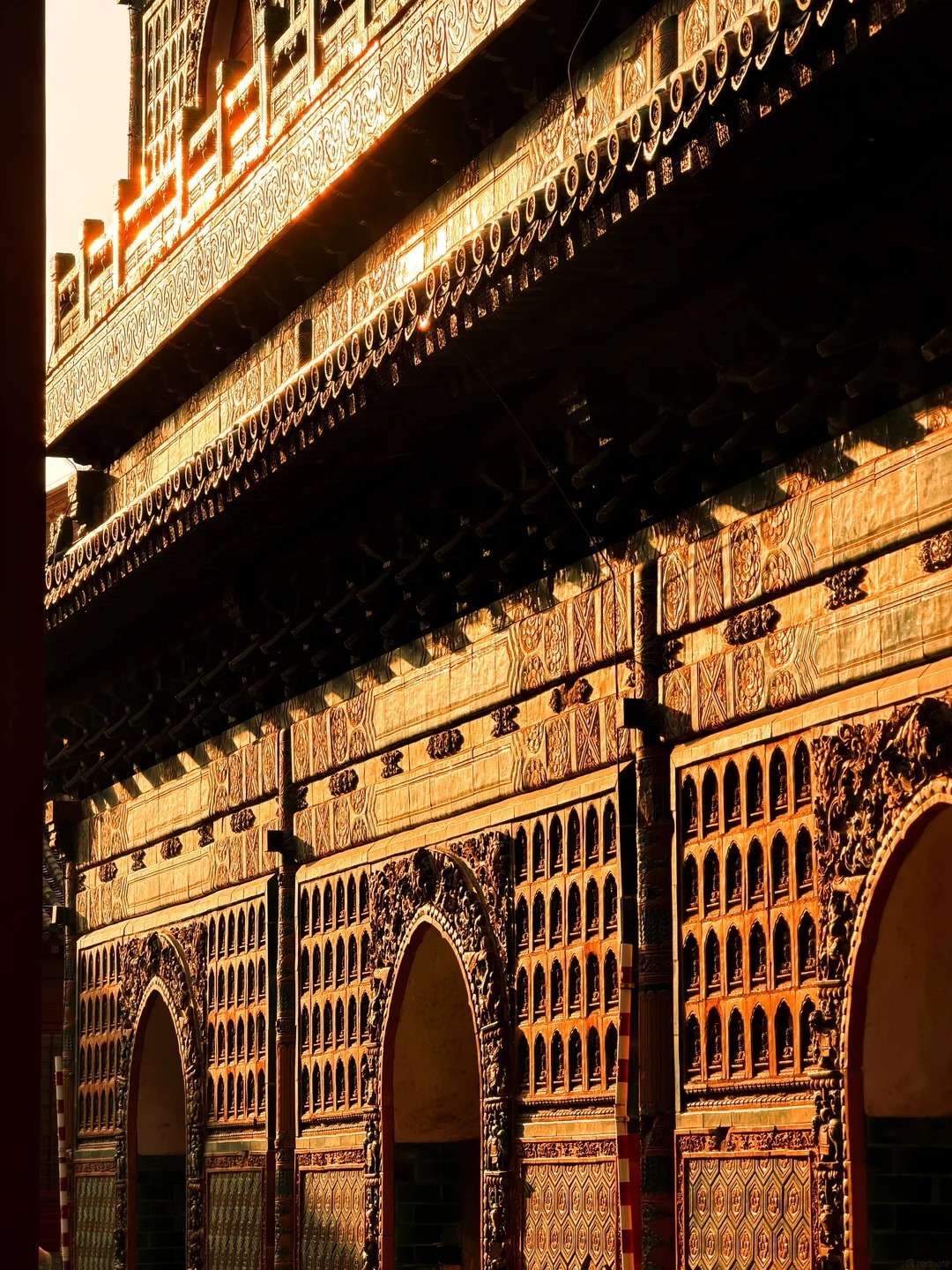
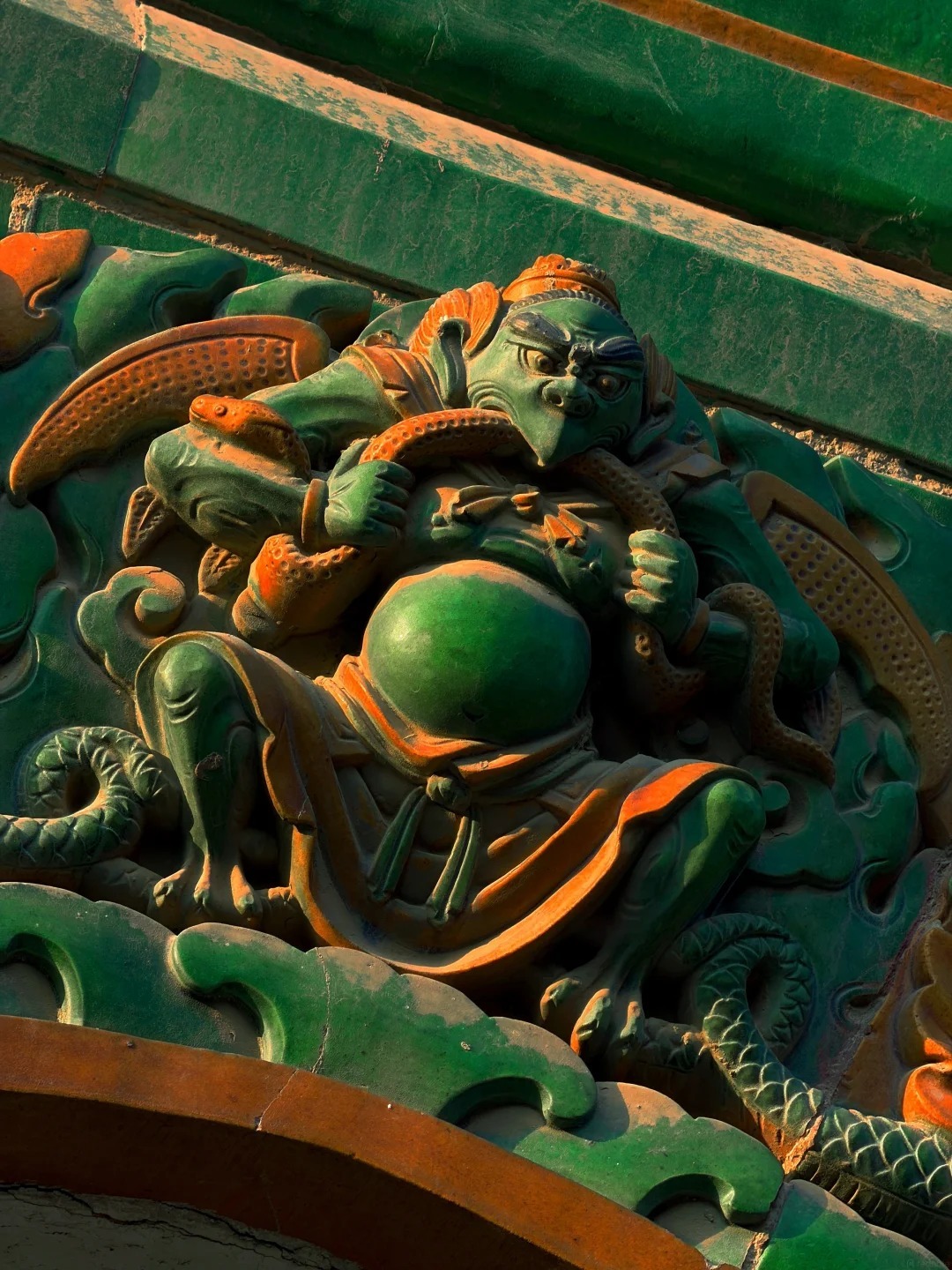
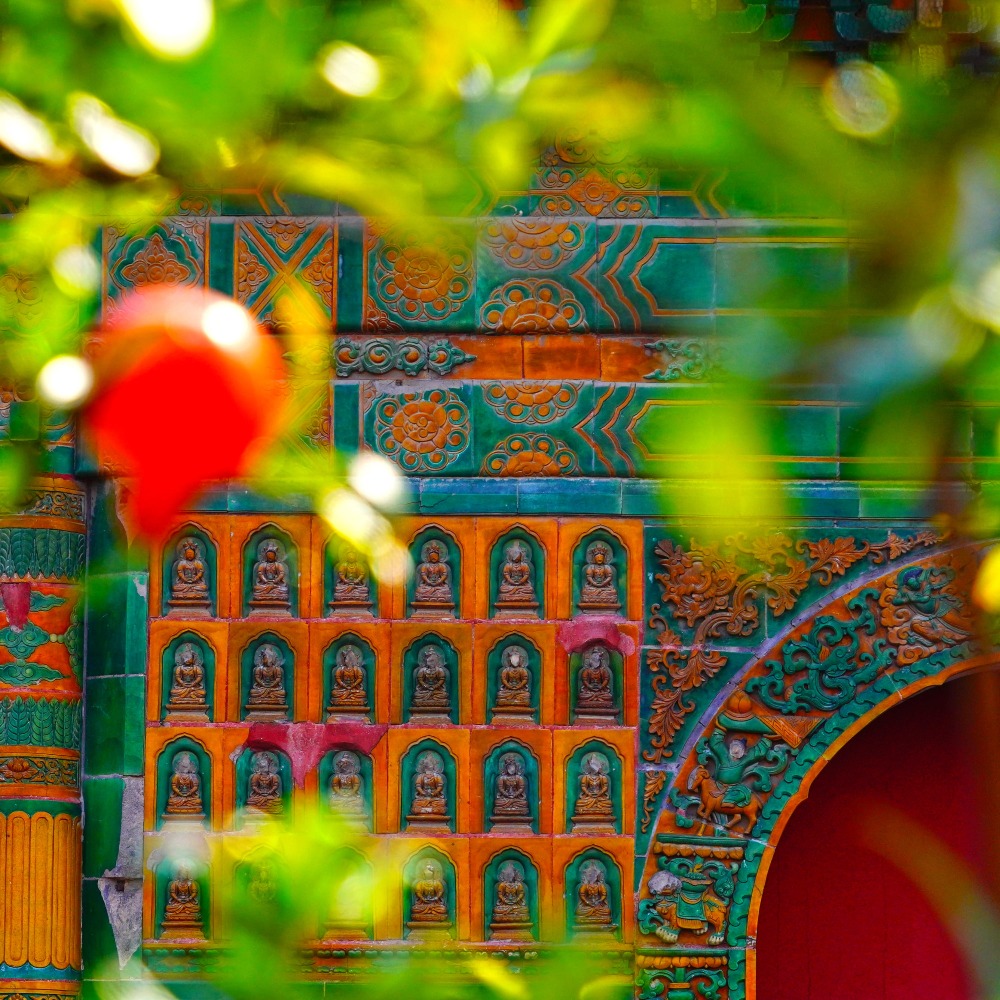
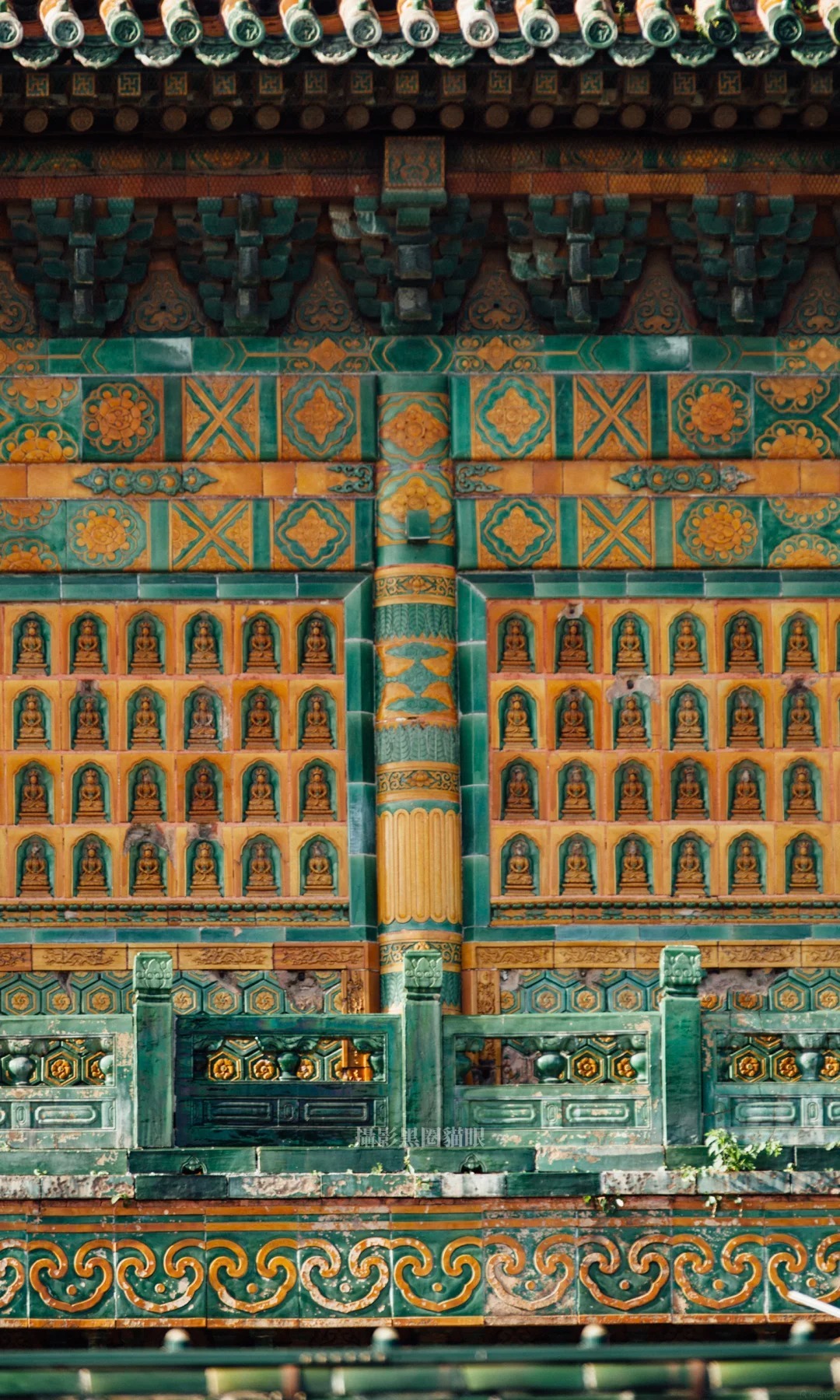
Built in 1759, Liulige has two storeys beneath three tiers of hip-and-gable eaves. Its green glazed roof and yellow-and-green façade are set with 1,424 closely arranged glazed figures of Amitayus, while delicate Buddhist motifs decorate its arched entrances.
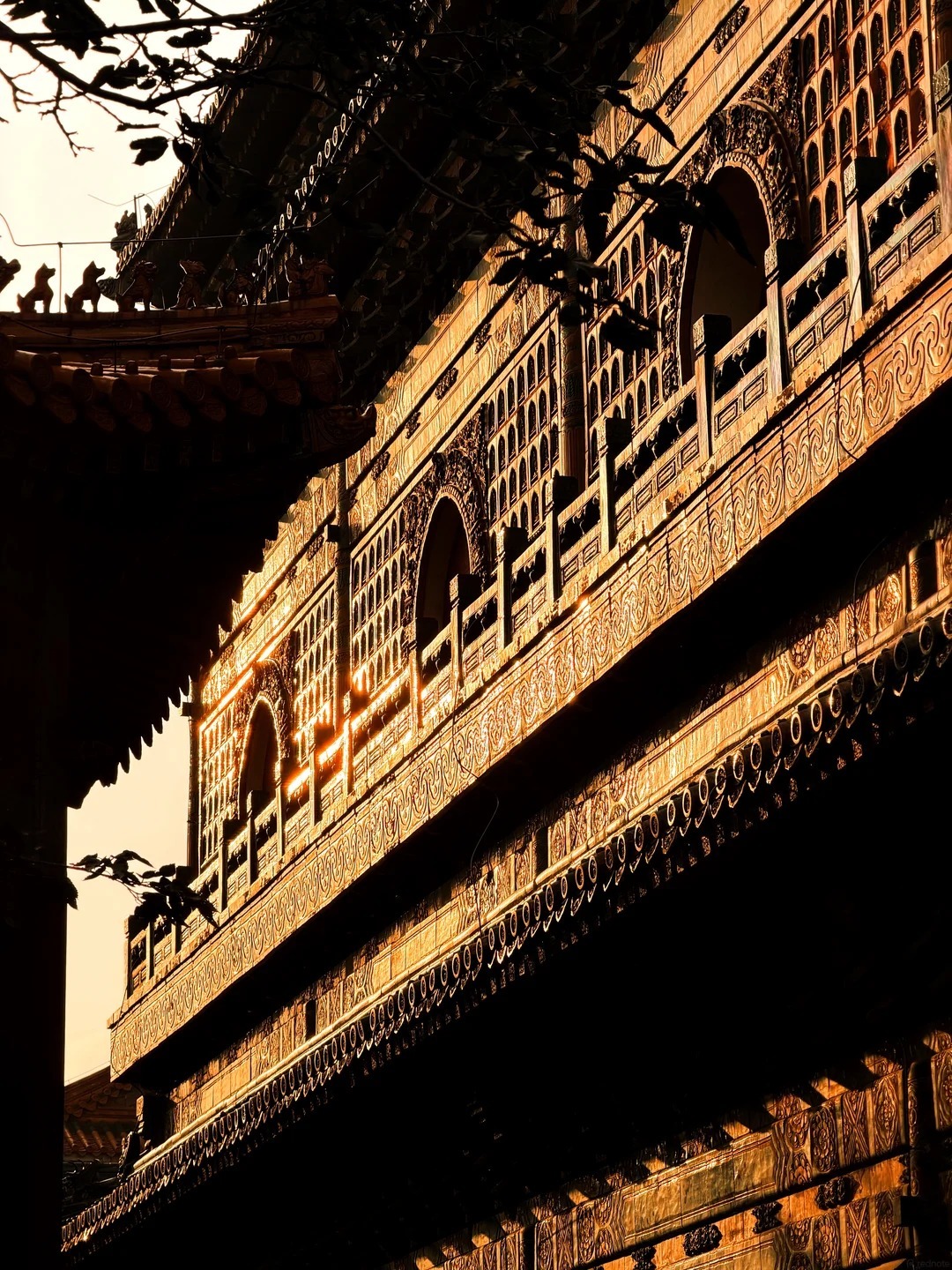
At dusk, sunlight catches the colourful glaze, casting a golden sheen across the building.
Opened after 70 years: Liulige Courtyard's second life
Liulige Courtyard later took on a second role. From 1955, it served Beijing’s cultural-heritage and archaeological institutions as both office space and a repository for artefacts.
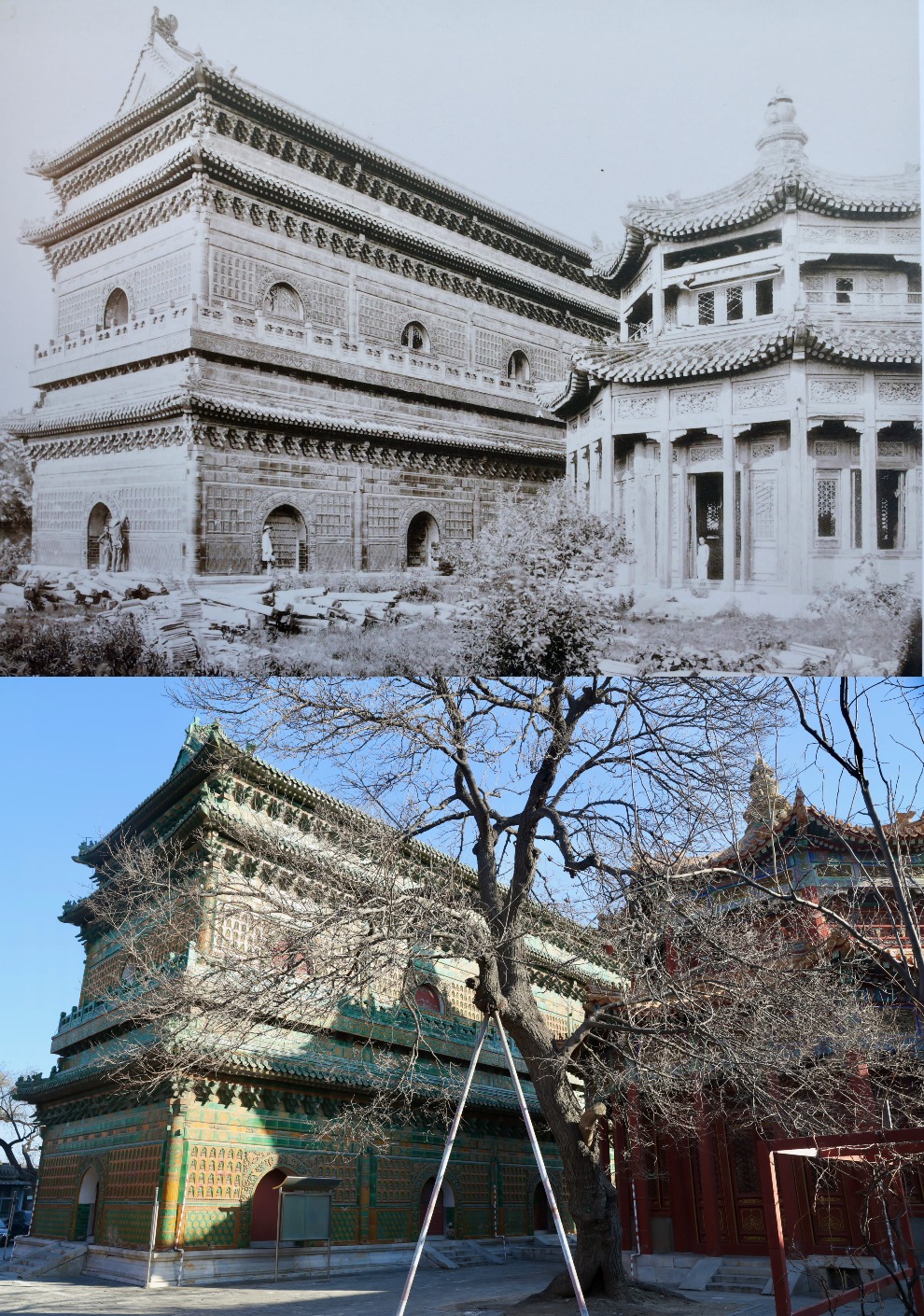
From early investigations at the Qinghe Han City site to research at Liulihe and Jinzhongdu, and later work supporting Beijing Central Axis heritage efforts, Liulige Courtyard witnessed generations of archaeologists tracing and safeguarding the city's past.
On 22 January 2026, it was transferred from the Beijing Archaeological Research Institute to Beihai Park. On 29 September, after more than 70 years of institutional use and care, the courtyard opened to visitors.
Today, visitors can admire this imperial Buddhist complex up close while exploring a permanent history-and-culture exhibition.
Using 3D-printed models and digital media, it turns architectural details into tactile, interactive displays that bring the courtyard’s history to life.
If you are visiting Beijing, pause at Liulige Courtyard in Beihai Park—take in the brilliance of its glazed decoration, and the preservation story behind it.
Read more:
Unveil the secrets of the Qianlong Garden in China's Forbidden City
Suzhou Museum through the eyes of I.M. Pei
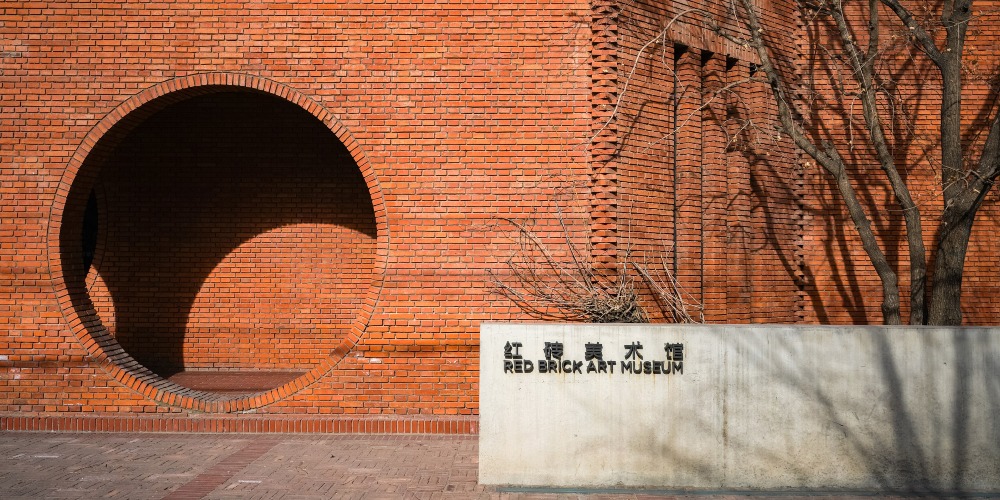
Red Brick Art Museum: Where vintage brickwork meets contemporary art
Explore ancient architecture in China's Shanxi through new technology